West Jumping Pound · Bighorn County, Alberta
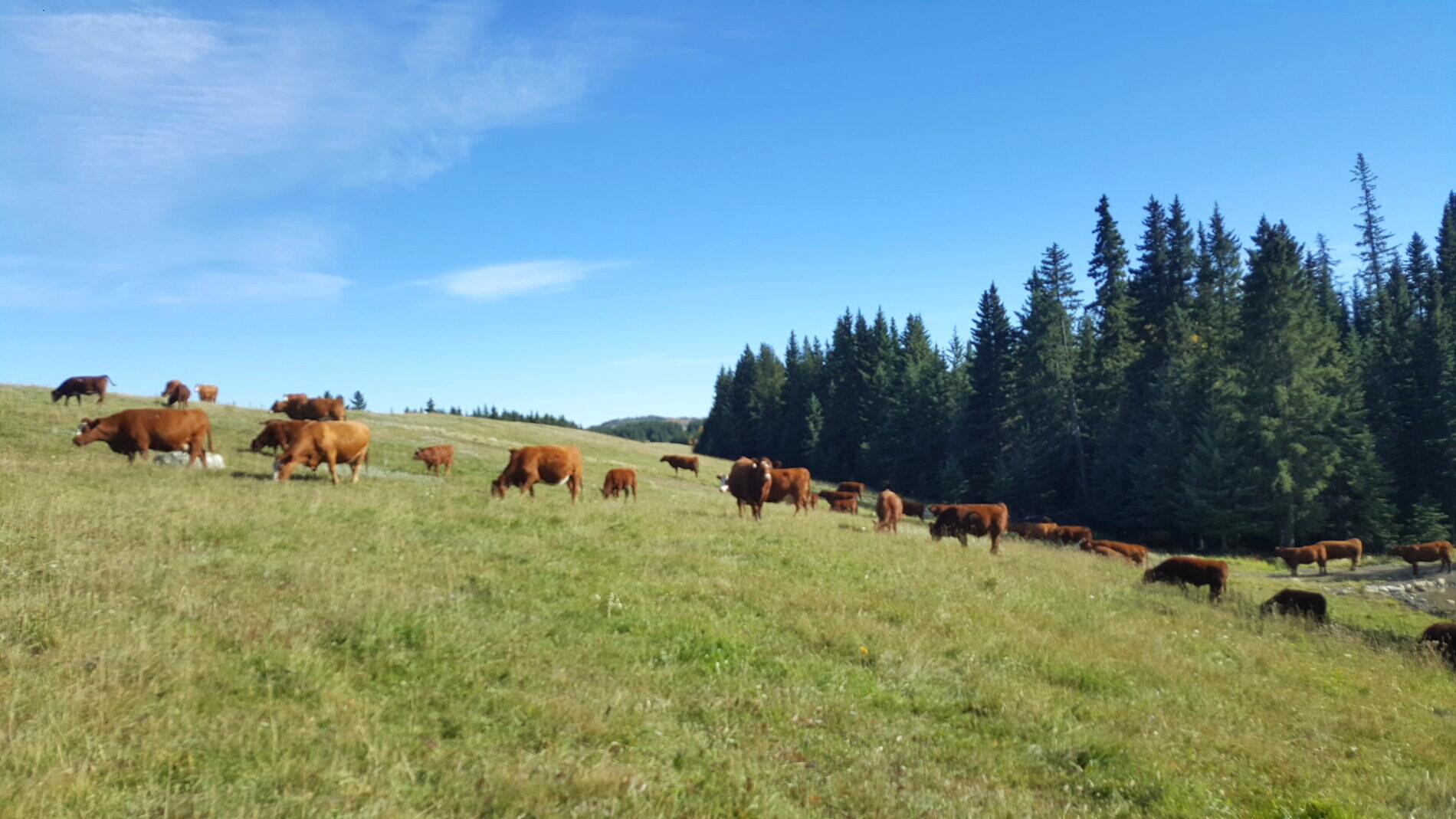
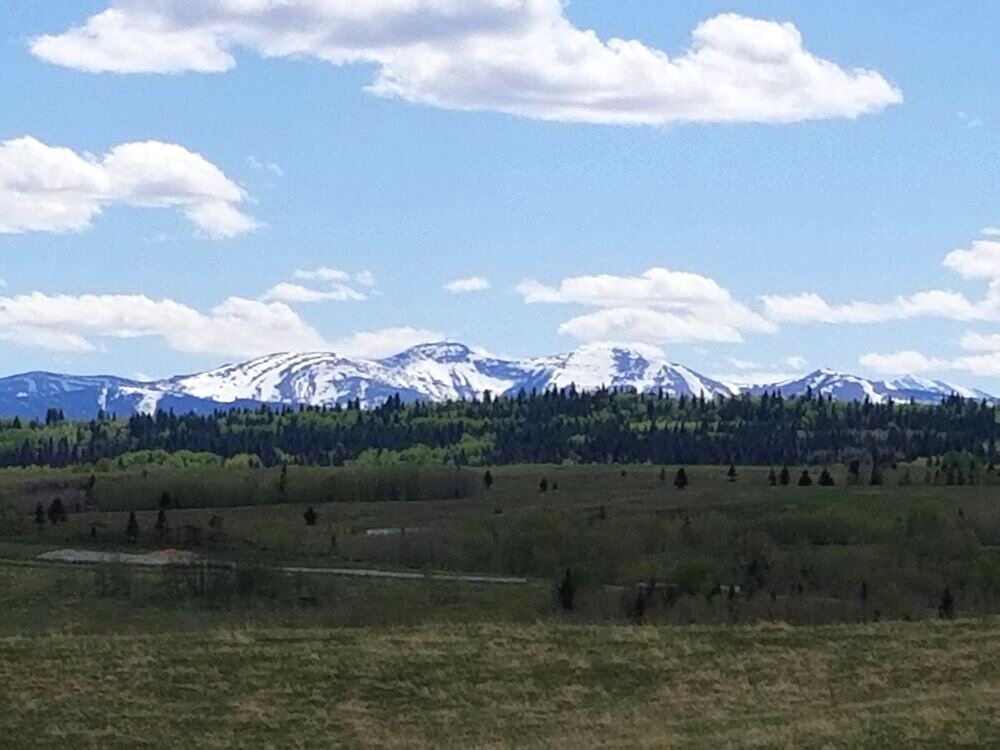
Bear Hill Ranch sits in Bighorn County, in the country the older locals still call West Jumping Pound, the foothills west of Calgary where the prairie starts folding up into the Rocky Mountains. We’re a short drive from Cochrane, and we run alongside a number of other working ranches in this stretch of country between Calgary and Canmore. Kananaskis is barely ten minutes down the road. It's country made for grazing: rolling native grass giving way to rocky ridges, spruce and fir on the shaded slopes, aspen bluffs for shelter, and clean mountain water.
It's also hard country. Winters are long, and the weather here doesn't care about your plans. But cattle raised on foothills grass, moved through good pasture and looked after properly, produce beef with a depth of flavour you simply don't find in a styrofoam tray.
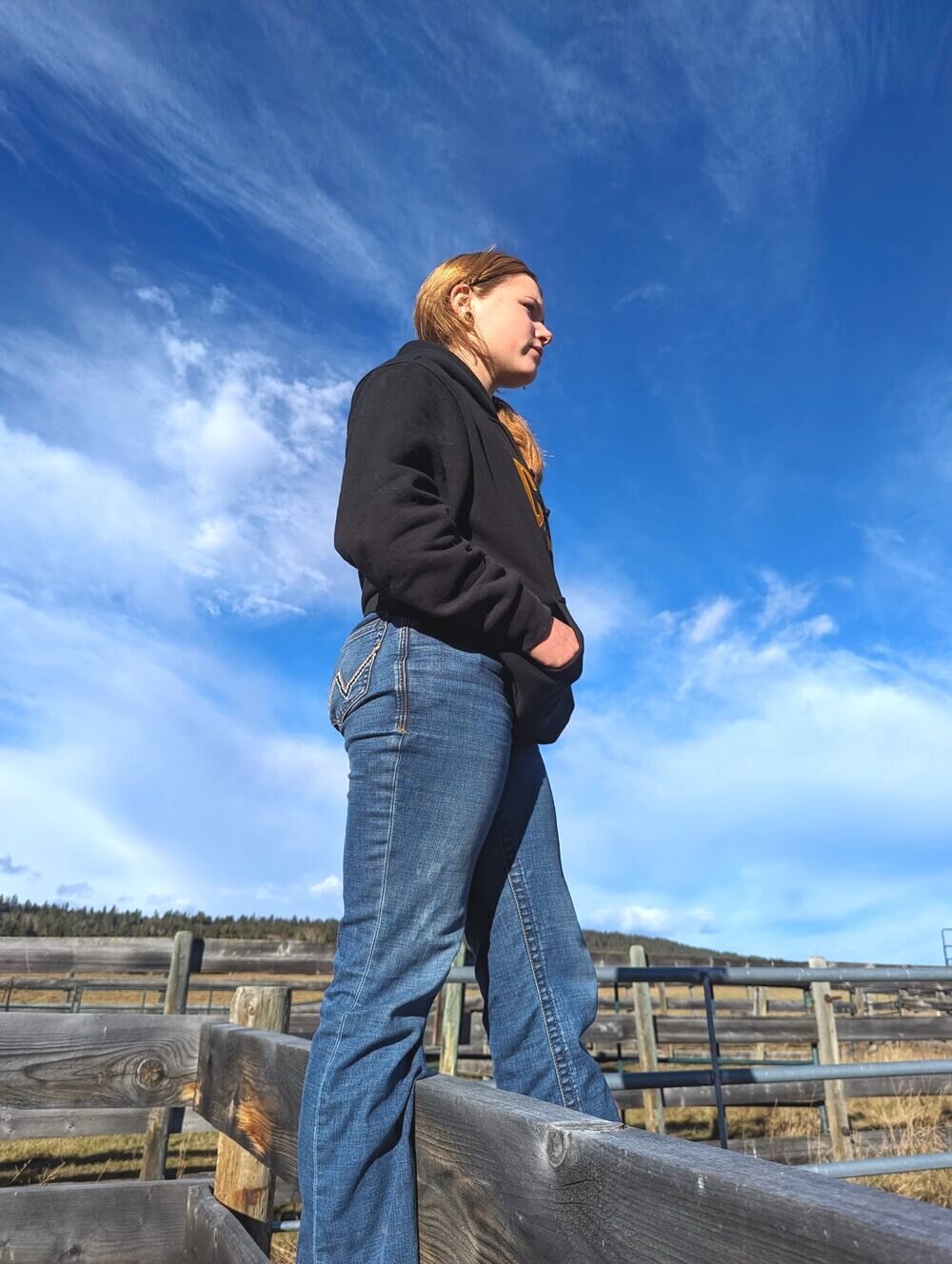
This is a family operation. There's no crew of employees and no head office. It's us, our kids, our horses, our dogs, and our cattle.
We're not the only outfit out here, and we like it that way. This corner of the foothills still has real working ranches in it. Some are a good deal bigger than us, and some run cattle out here from over Jumping Pound and Rocky View way. We're one of the smaller ones, and we're glad of the company. If you buy your beef from a neighbour of ours instead of us, that's a good outcome too. It means the country stays in cattle rather than acreages.
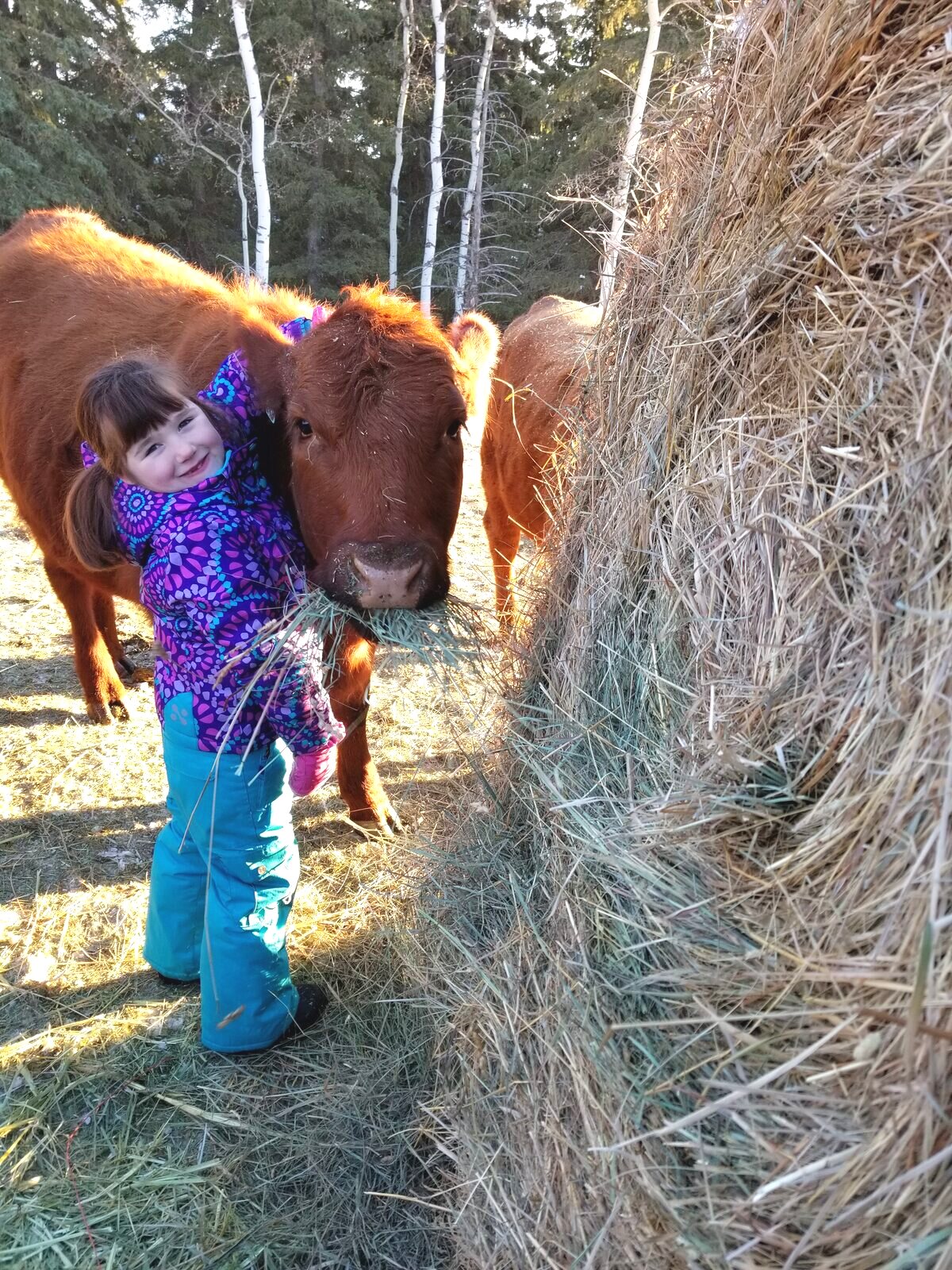
Our Mark
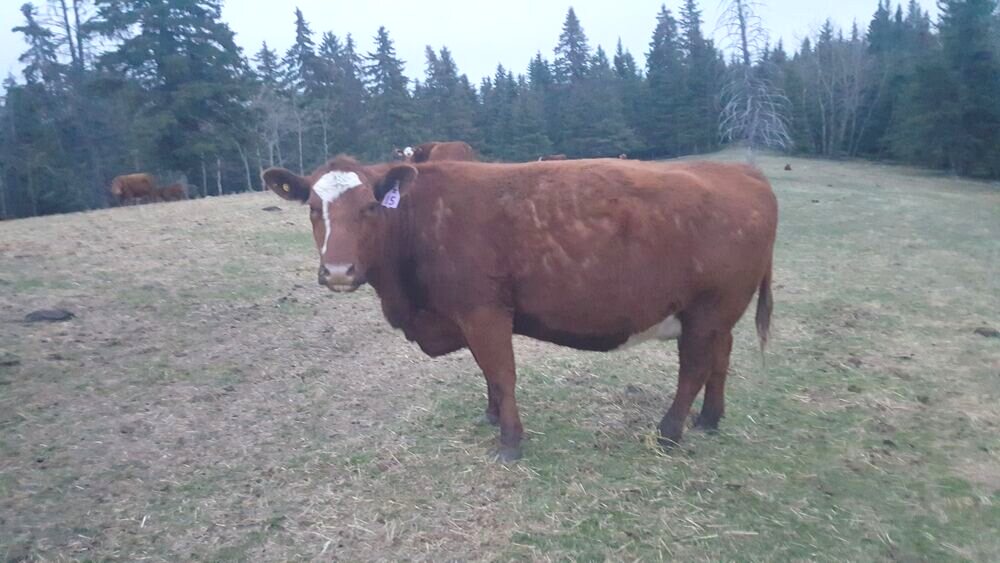
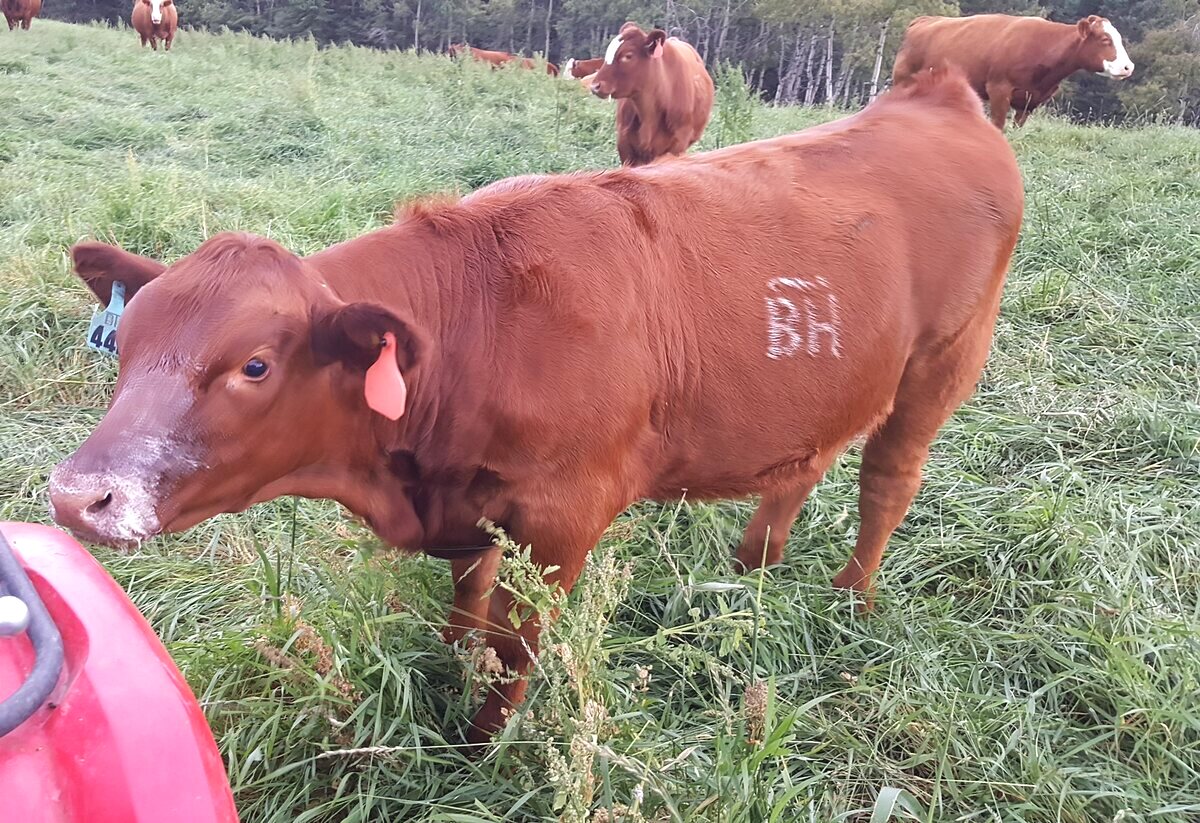
Every animal on this place carries the Bar BH. In ranching country a brand is more than paperwork. It's a signature. It says who stands behind that animal.
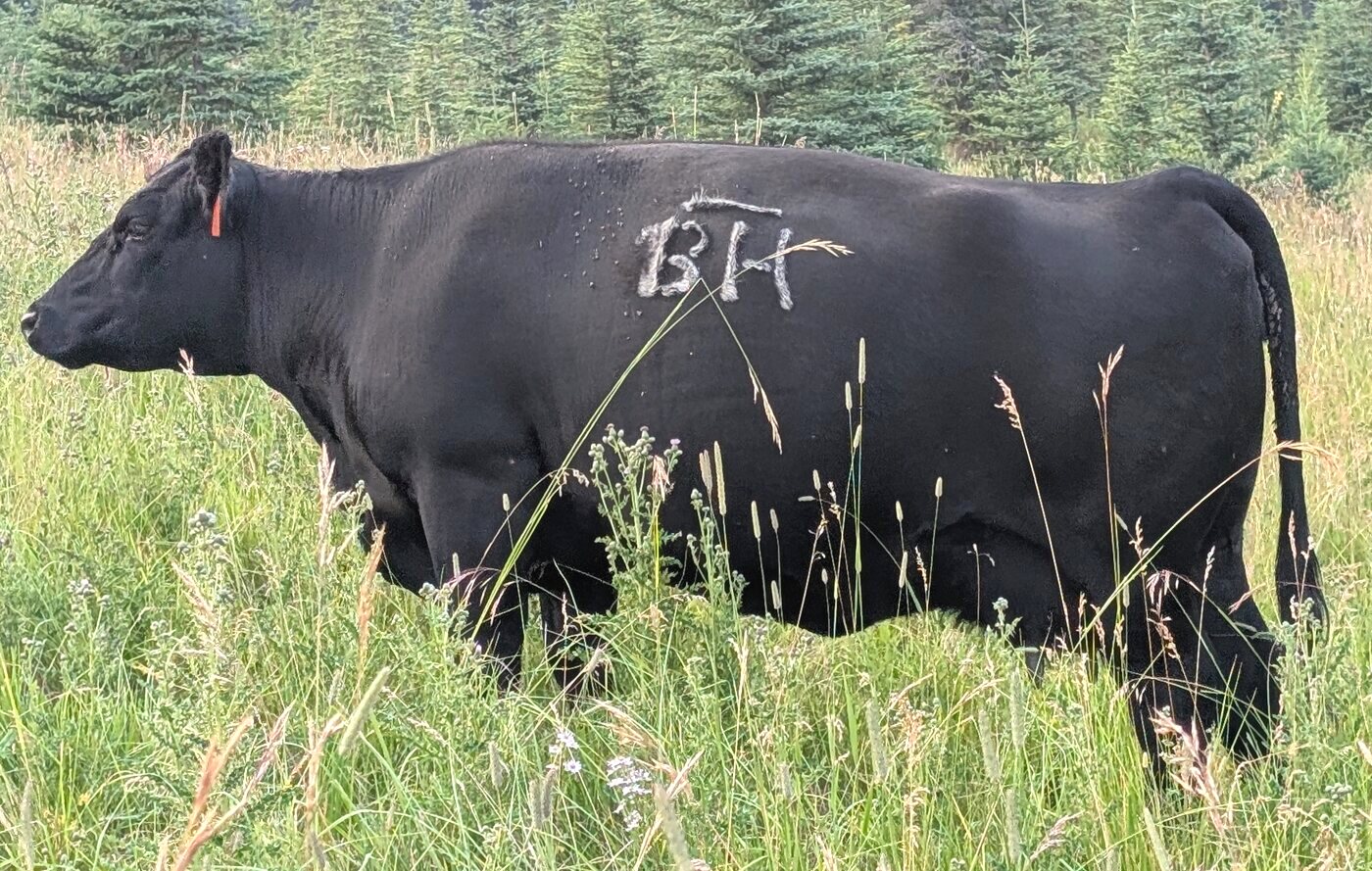
Two names, one outfit. Bear Hill Ranch is the place. Bar BH is the brand our cattle carry. Bedry Beef is the name we sell the beef under.
The beef we sell is raised right here, under our own brand and our own care, and looked after by this family through every season of its life.
That's the whole point of buying beef direct from a rancher. You know the place it came from and the people who stand behind it.
Season By Season
Raising beef isn't a job with a start and finish. Here's what a year actually looks like on our place.
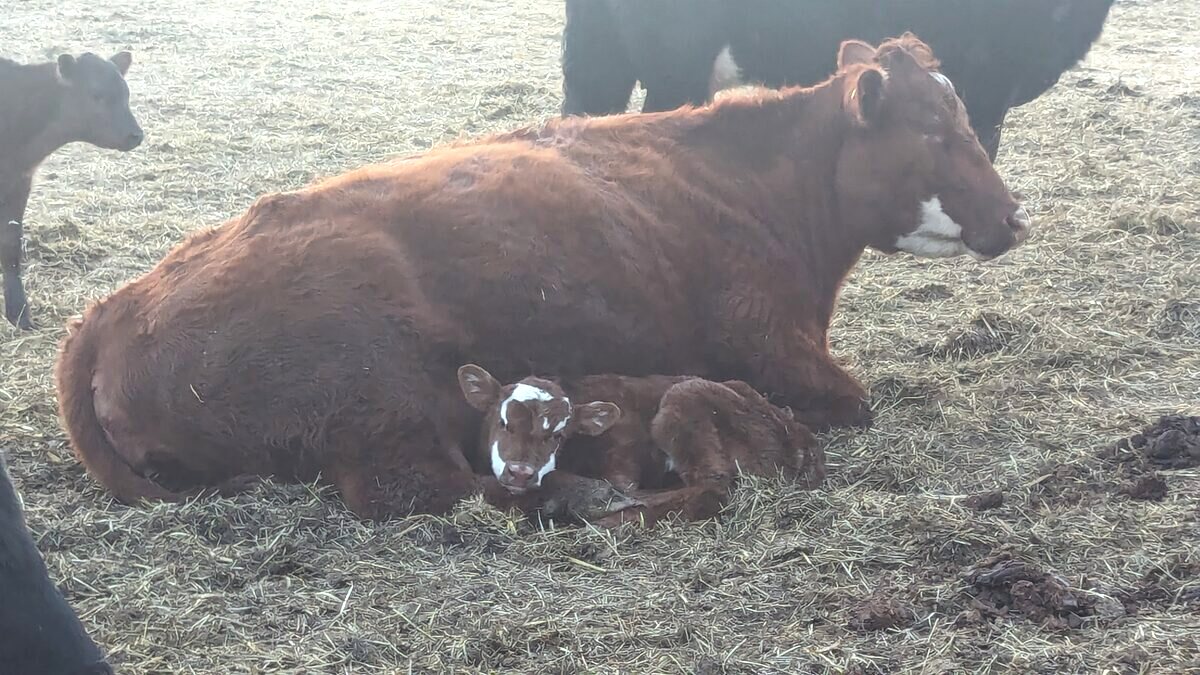
Calving season. Long days and longer nights checking cows, tagging new calves, and making sure every pair is up, dry and nursing. It's the hardest and best part of the year.
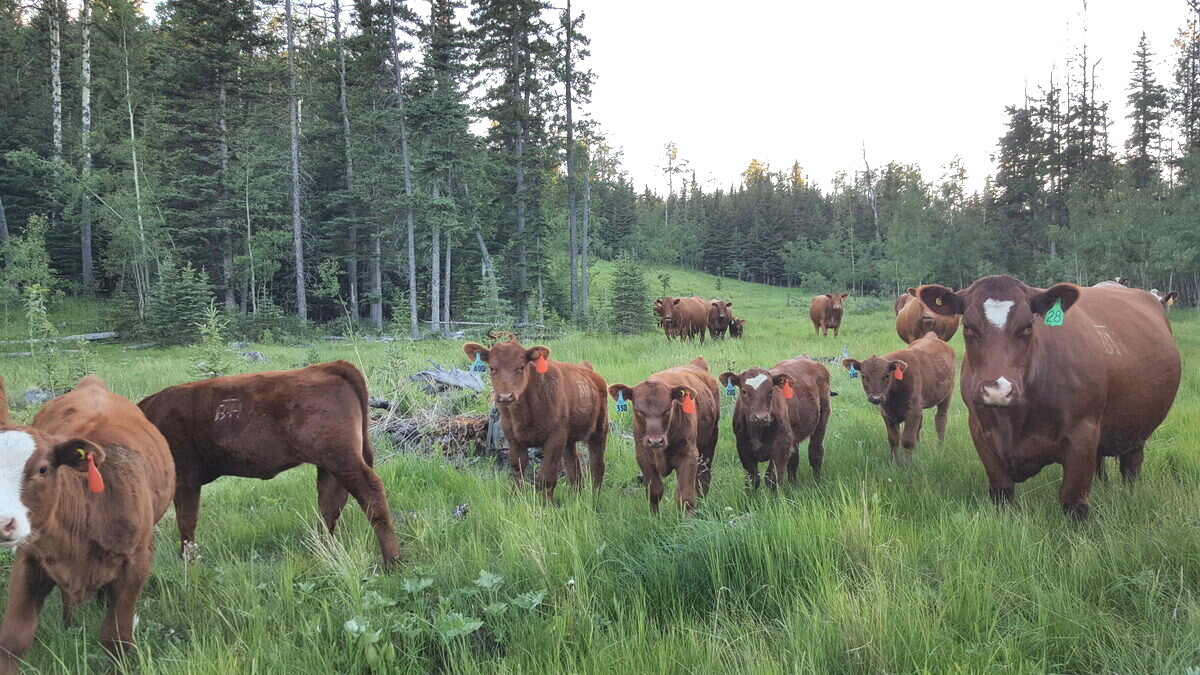
Cattle go out on grass. We move them through pasture so the grass gets a rest and grows back stronger, check water, and ride through the herd regularly.
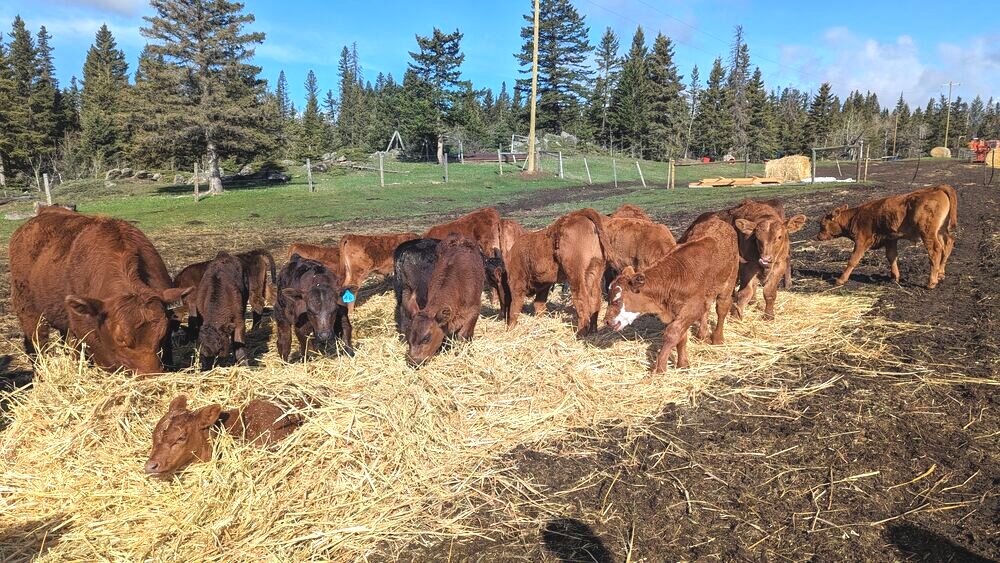
Cattle come home off summer pasture. We wean calves, sort the herd, preg-check the cows, and put up the winter feed we'll need to get through to spring.
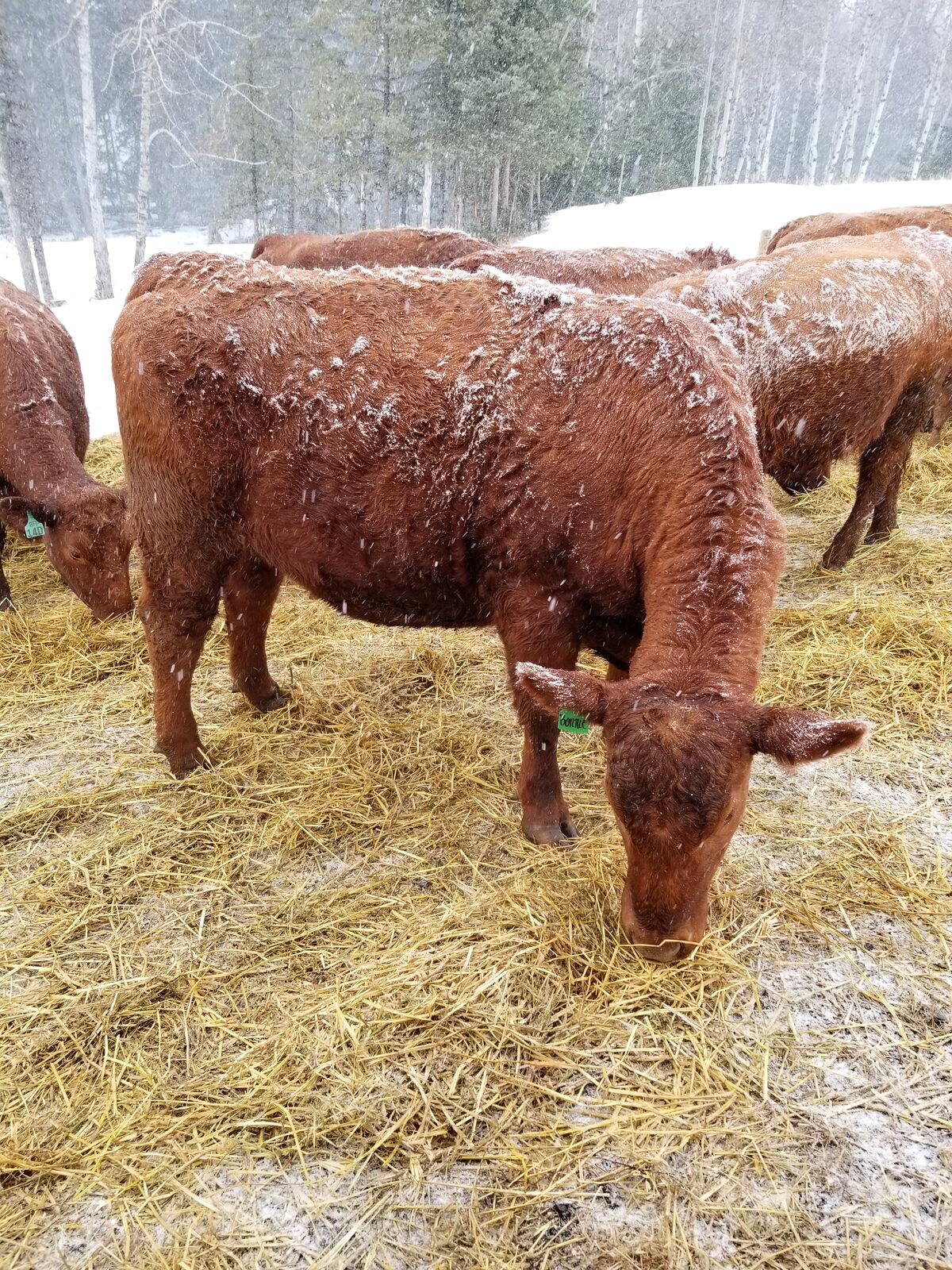
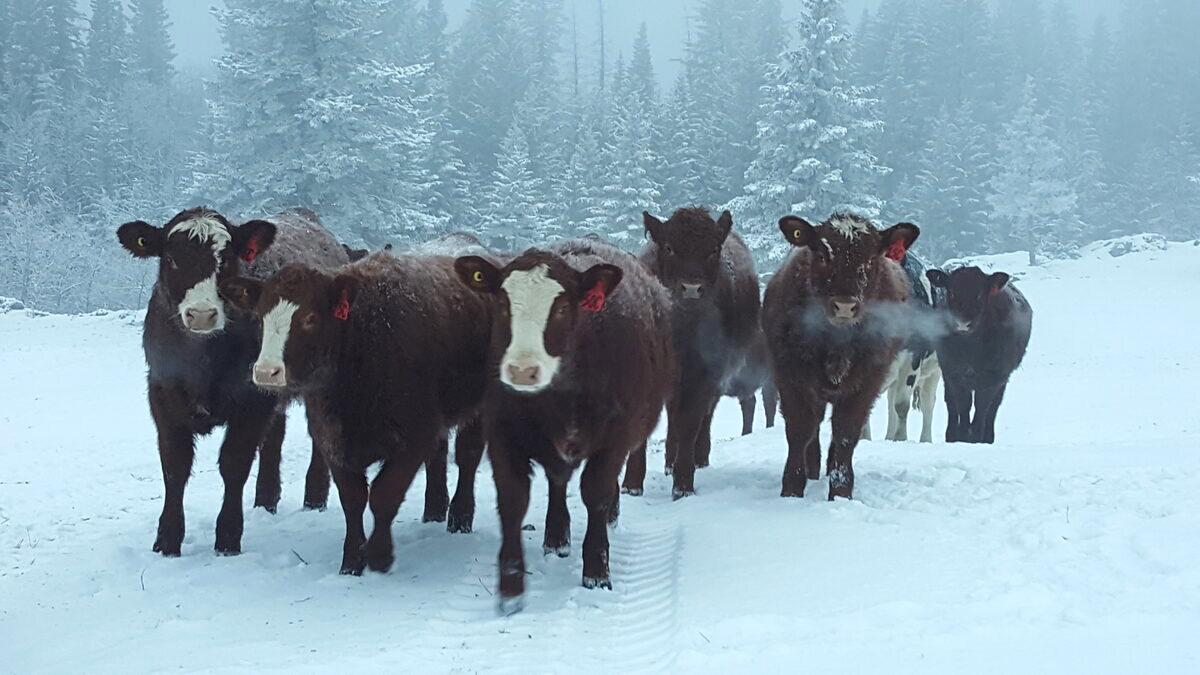
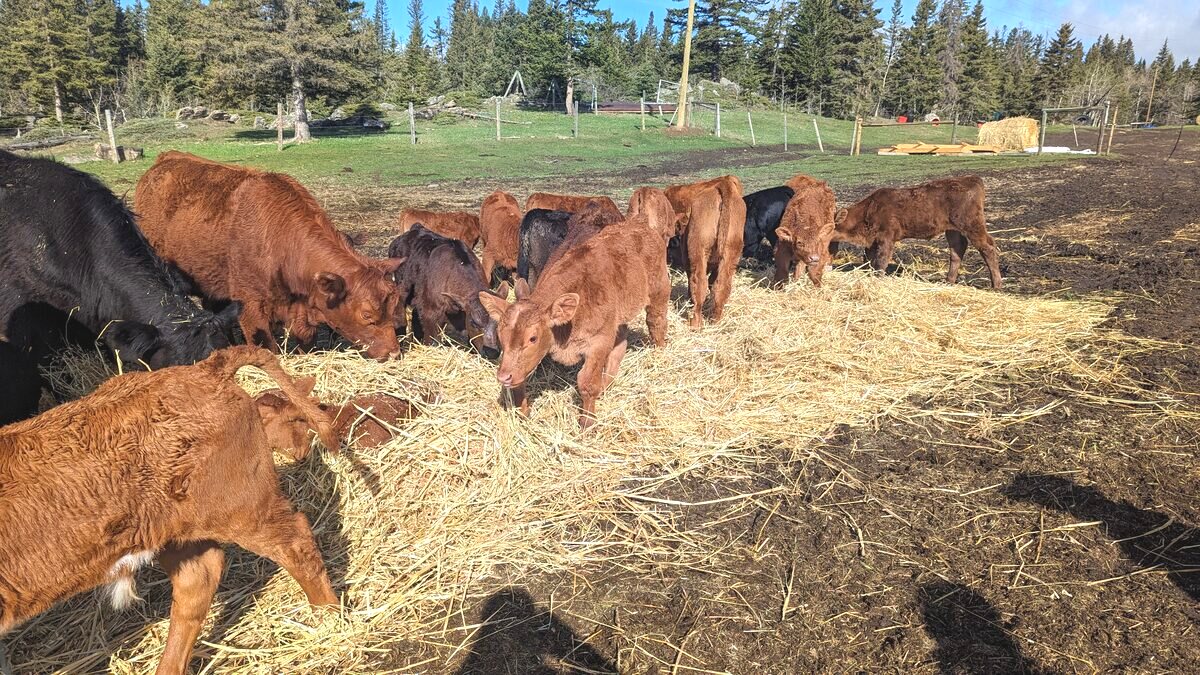
Feeding every single day, whatever the weather. Chopping ice, hauling bales, keeping cattle sheltered and in good condition through forty below.
Our Practices
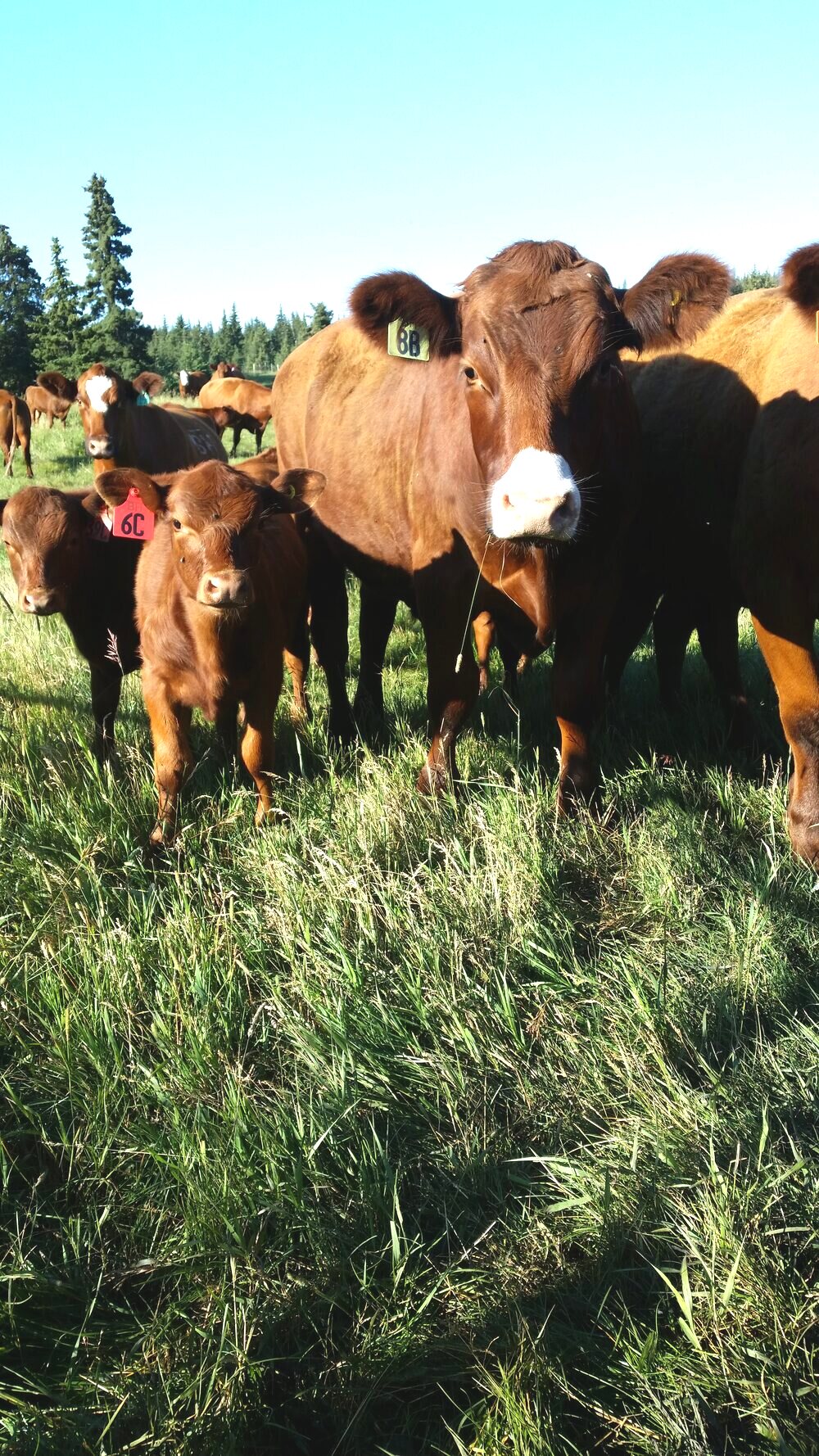
Pasture-raised and grass-fed. Our cattle live outside on pasture, not in confinement, grazing foothills grass. In winter they're fed hay we put up ourselves, with shelter and space.
Grain-finished for flavour. Before butcher, our animals are finished on grain. That's what puts the marbling in a steak, the fat that makes beef tender, juicy and worth the money.
No added hormones or antibiotics. We don't use growth hormones. If an animal genuinely gets sick we treat it, because that's basic animal welfare, but treated animals aren't sold as our beef.
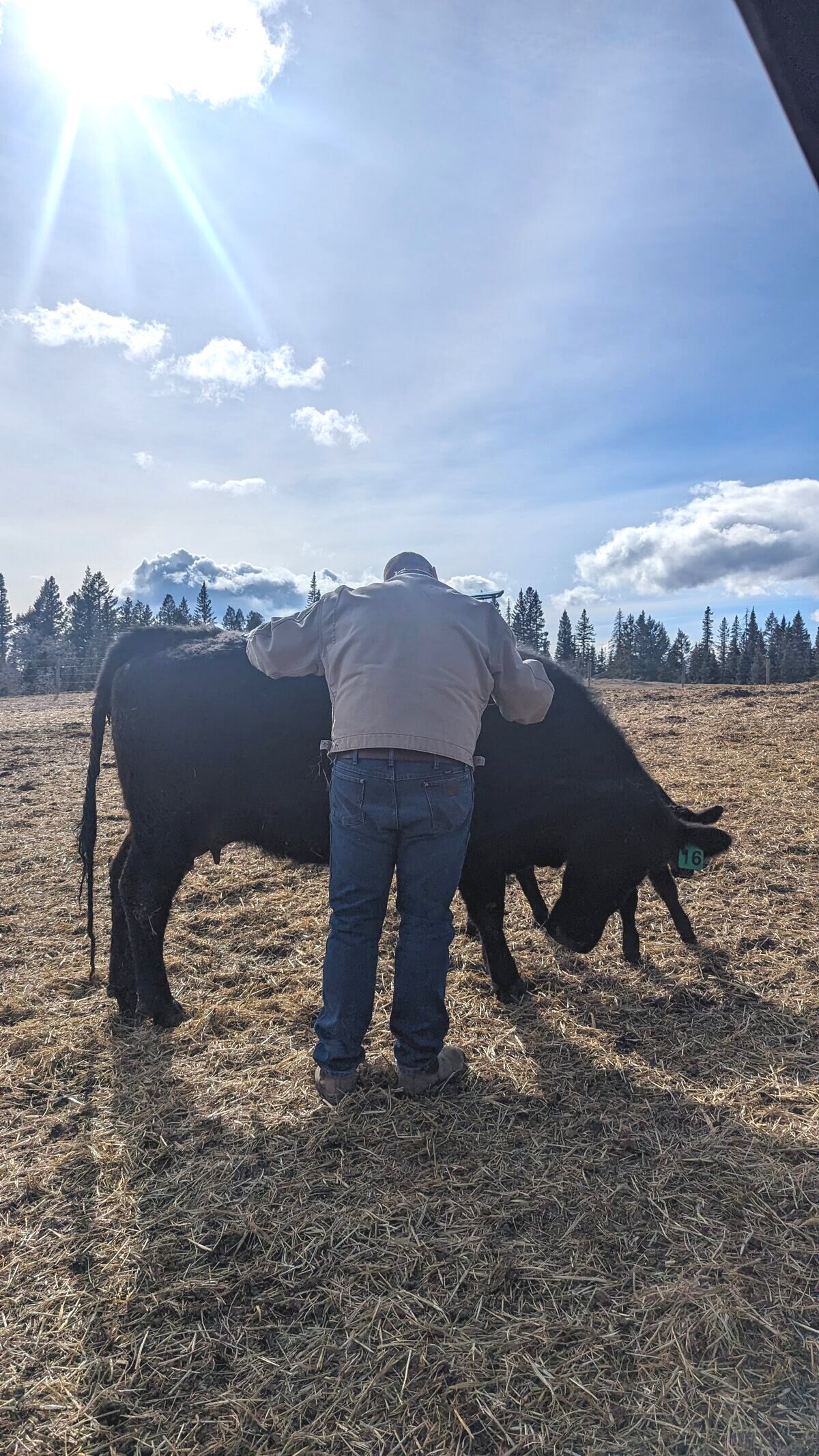
Low-stress handling. Quiet handling isn't just kinder, it makes better beef. Stressed cattle produce tougher, darker meat. We move ours slowly and calmly.
Grazing that builds the land. We rotate pasture so grass recovers, roots go deeper, and the soil holds more water. Healthy land makes healthy cattle.
The Part That Matters Most
This is the honest version, not the marketing version.
Nothing in ranching is easy, and very little of it is tidy. Animal welfare isn't a policy we printed out and stuck on the wall. It's a series of decisions we make on the fly, often in bad weather, usually tired, and always with the animal's wellbeing as the thing that decides it.
A cow having trouble calving at two in the morning. A calf that isn't nursing. A steer that's off its feed. These are the moments that actually define how an operation treats its animals, and they happen far from anyone watching.
We get attached to our cattle. Anyone who tells you ranchers don't is either lying or hasn't done it long. Caring about them and raising them for beef aren't in conflict. The care is precisely the point. An animal that has lived well, been handled quietly, and never known fear or neglect is the whole reason our beef is worth buying.
We think you should be able to ask us hard questions about any of this. Ask away.
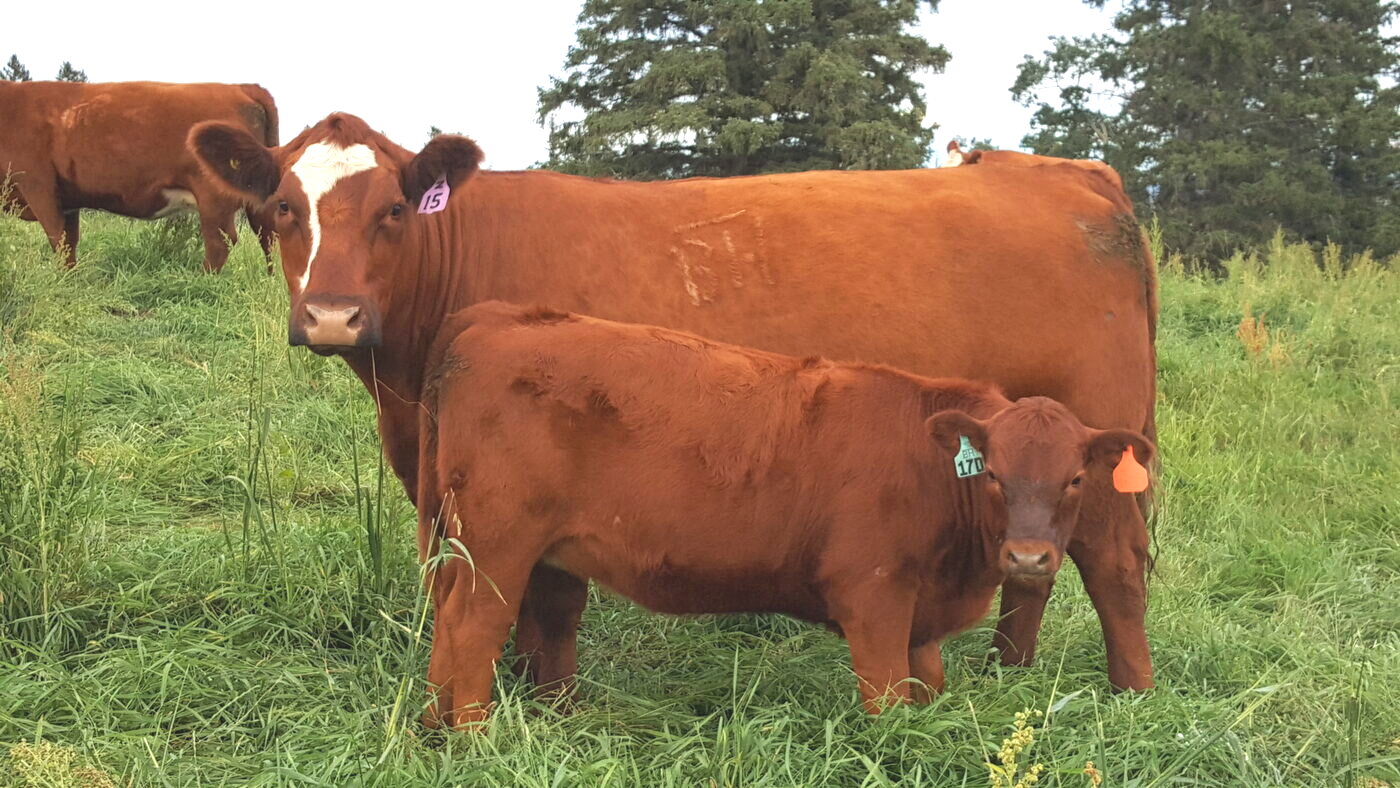
We move cattle slowly and calmly, with as little pressure as the job allows. No yelling, no rushing, no hotshots. Calm cattle are healthier cattle, and calmer cattle make better beef.
If an animal is sick or suffering, it gets treated immediately, without weighing it against what that decision costs us. Any animal that's been treated doesn't go into our beef program.
Born here, raised here, out on grass and open air. When the time comes, the trip is short and the facility is one we've chosen carefully. That last day matters as much as all the others.
What It's Like Out Here
People picture ranching as noise and dust and hard work. It is all of that. But most of it is quiet, and that quiet is a big part of why we do it.
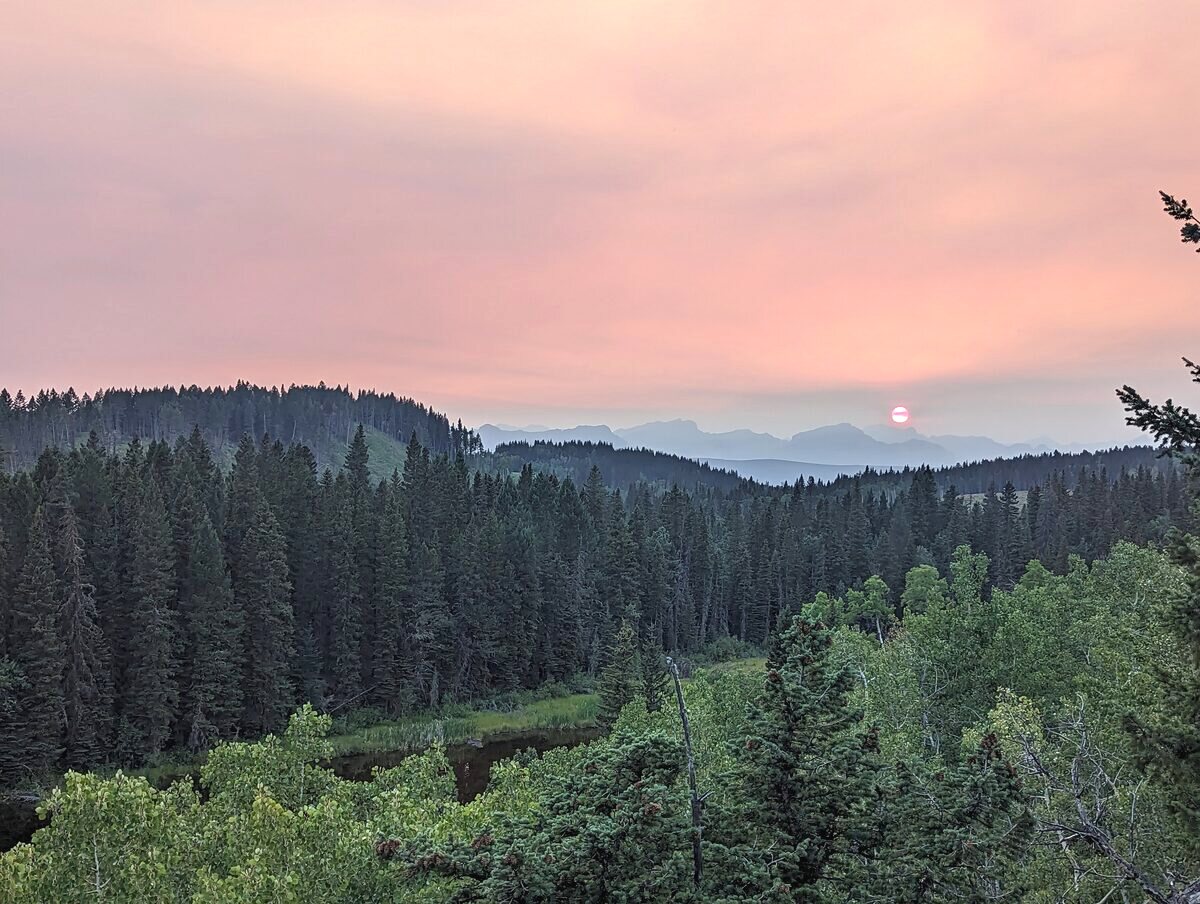
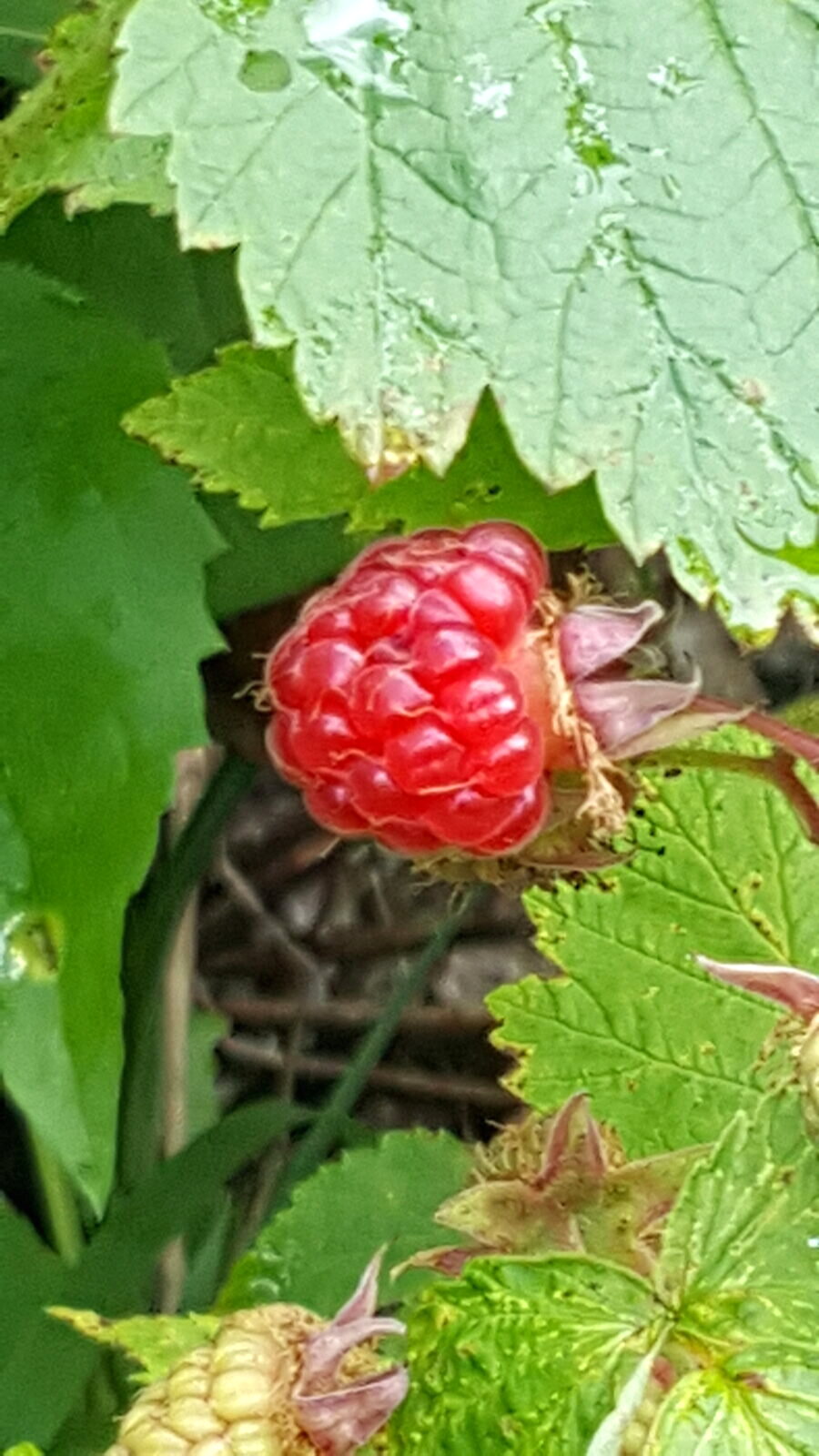
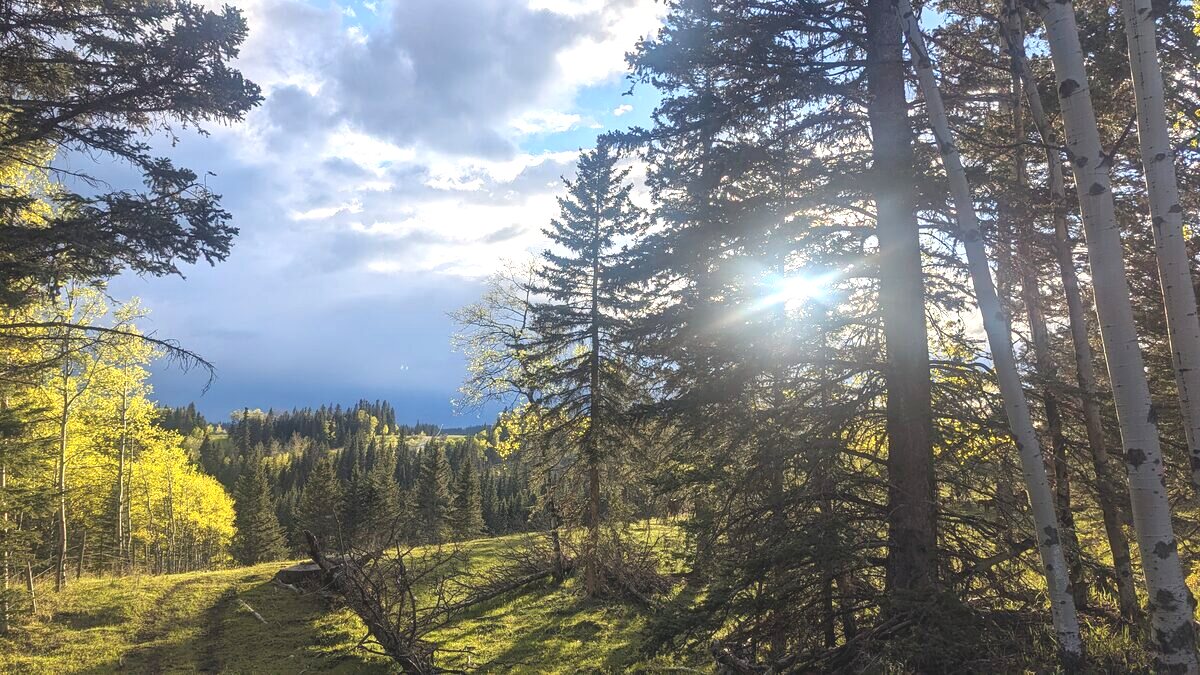
Wild raspberries along the fence line in July. Sun coming up over the treeline while you're out checking cows. Nothing but the sound of cattle grazing and wind in the aspens.
This is the rolling-to-rocky part of the foothills: open grass one minute, rock and spruce the next. We're close enough to Calgary, Cochrane and Canmore that most people are surprised country like this is still out here. It is, and looking after it is part of the job. The grass, the bush, the creeks and the cattle all depend on each other. Get one wrong and the rest suffers.
This is the place your beef comes from. We think that's worth knowing.
Out on the rocky ground here there are limber pines, a tree most people walk straight past without knowing what they're looking at. They're endangered in Alberta, hit hard by white pine blister rust and mountain pine beetle, and they cling on in the eastern foothills and the Kananaskis country around us.
They grow so slowly they don't bear a cone until they're about forty years old. The ones that make it live for centuries. Some in this province are reckoned to be well over a thousand years old.
We didn't plant them and we take no credit for them. But they're on this place, and a fair bit of ranching here is simply not wrecking the things that were here long before us.
The Outfit
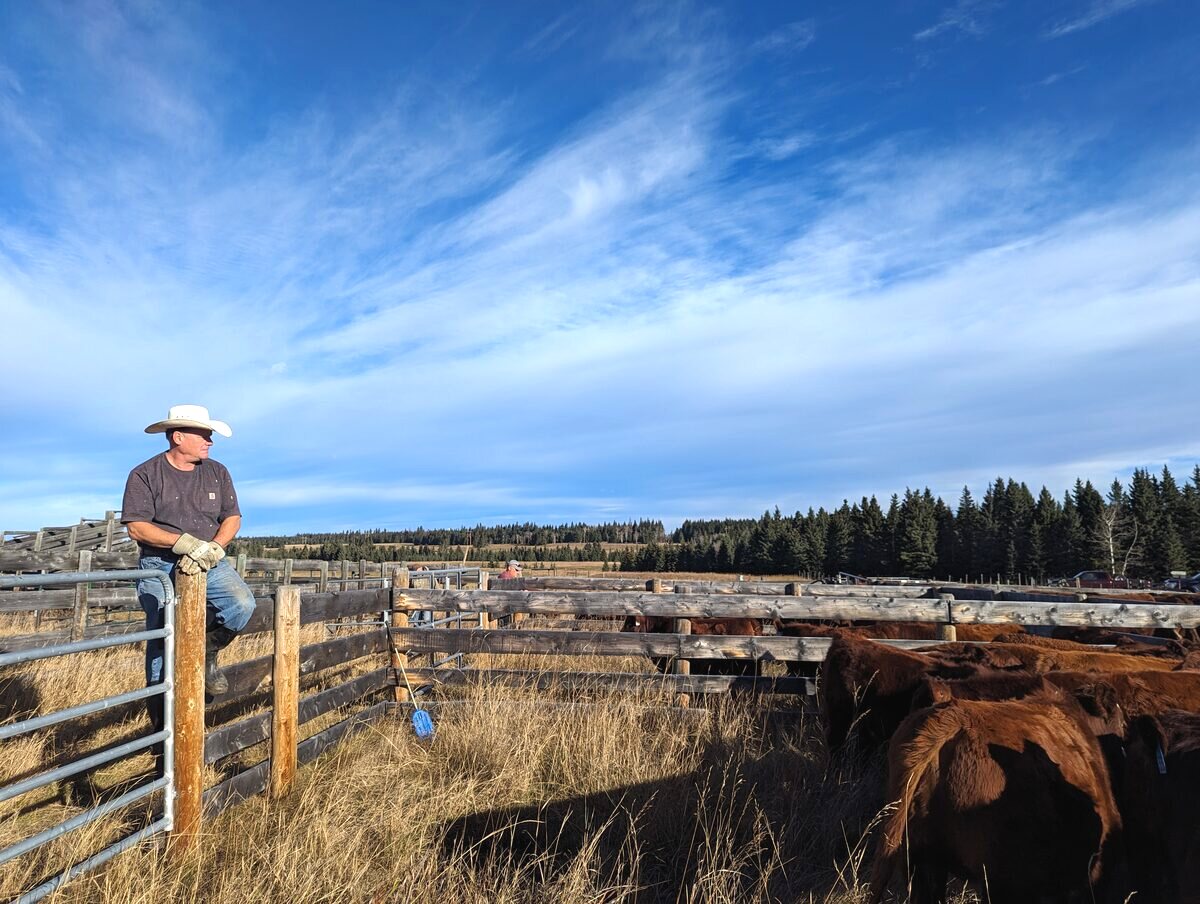
Cattle, land, hay and everything that breaks, and the one to talk to about buying beef. If you have a question about pricing, cuts or how the animals are raised, Mark's your man.
Ranch hand, and the one who keeps the rest of it running. Happy to help with orders and pick-up if Mark's out with the cattle.
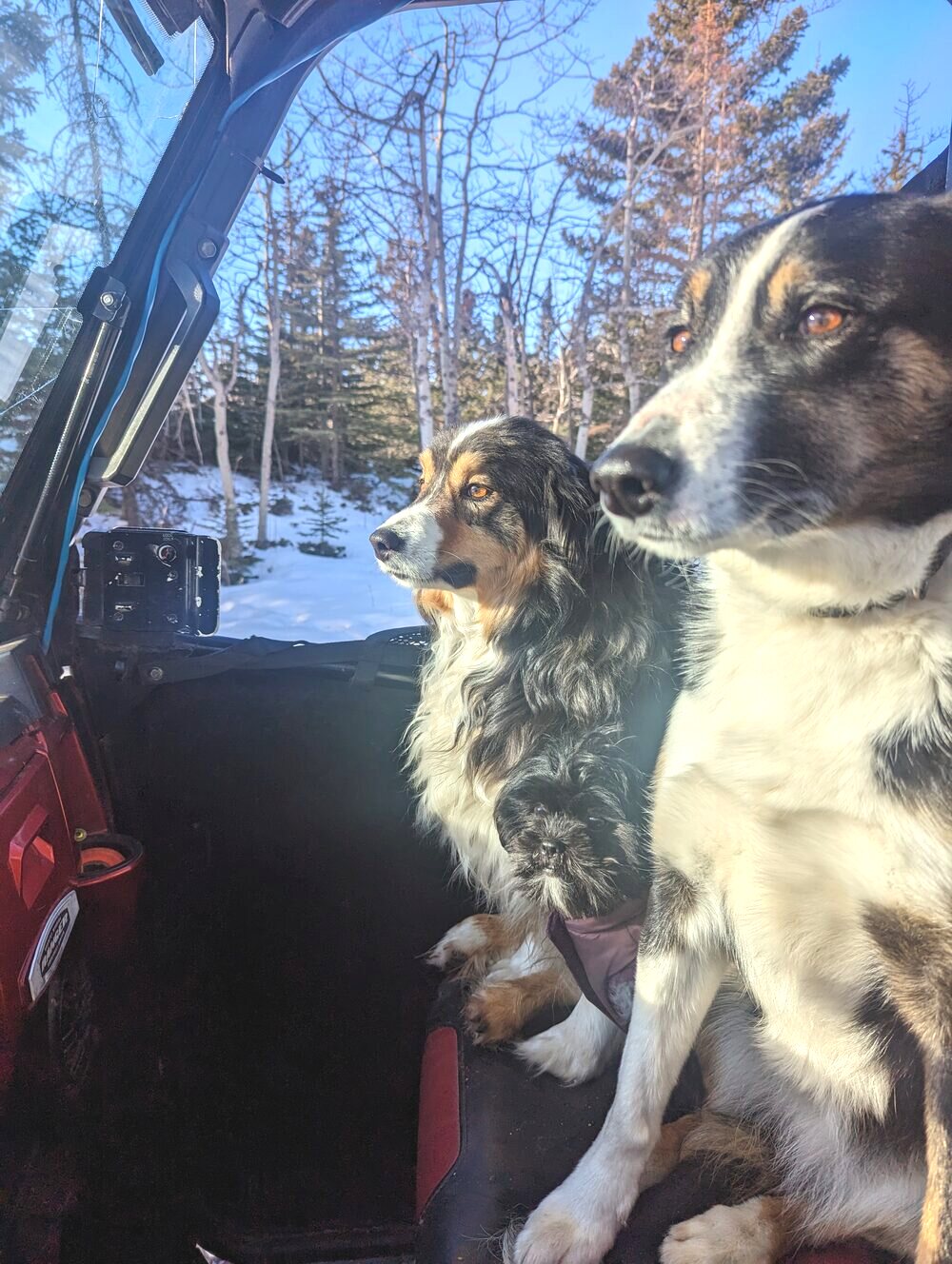
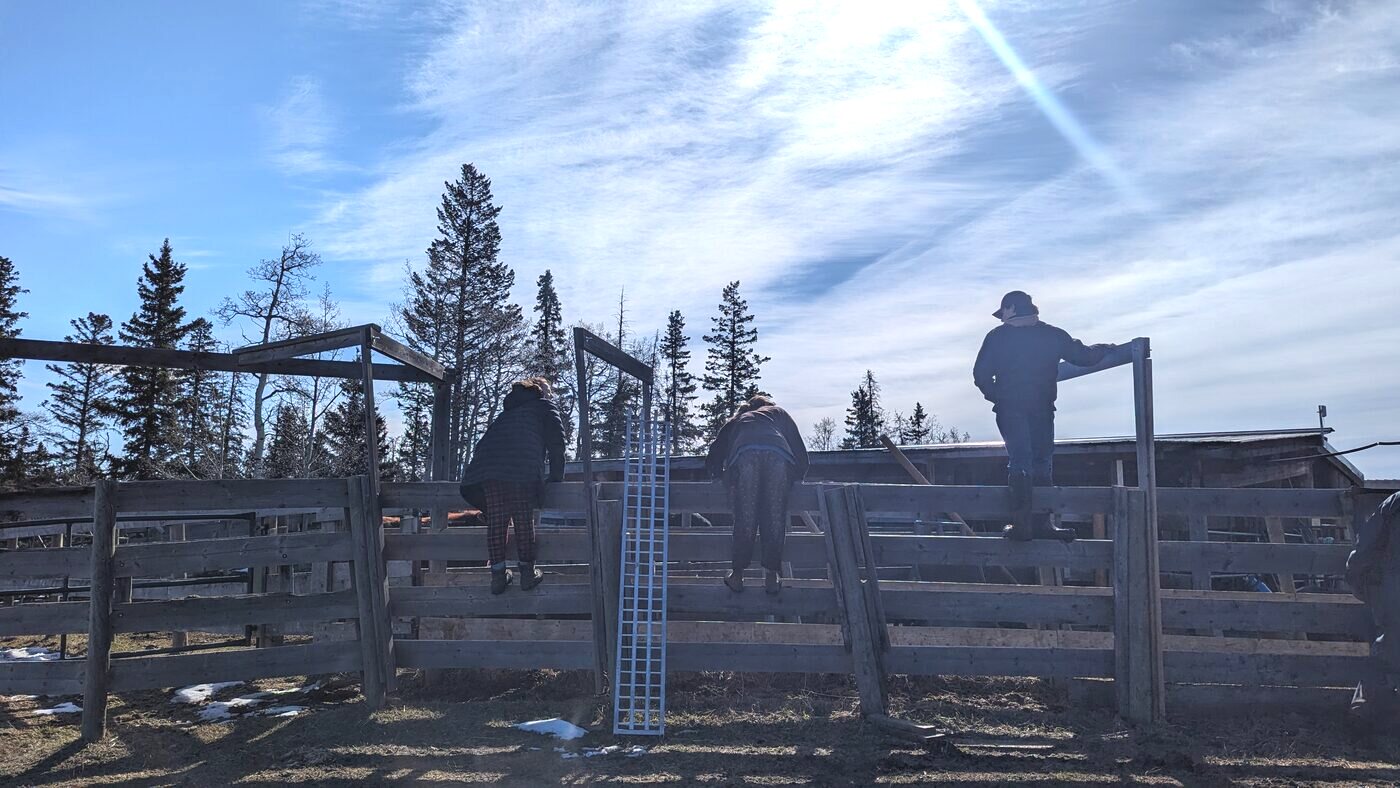
Kids who've been around cattle since before they could walk, a couple of very opinionated stock dogs, and horses that know the job better than we do.
Now you know how it's raised. Have a look at what's available and what it costs.
Beef & Prices